You didn’t train for leadership, you grew into it.
You’ve built your reputation on being capable and delivering. Now you’re operating at a level where the context is more complex, the pace is higher, and the decisions carry more weight.
From the outside, it looks like you’re doing a good job.
What's really going on
- leading through other managers and teams
- making complex decisions, with wide impact, often based on shifting information
- balancing delivery, people, and organisational dynamics
- operating with greater visibility — and less margin for error
You know you’re capable
- you’re dealing with situations you were never taught how to handle
- you question your judgement more than you’d like to admit
- you avoid decisions and action for fear of the consequences or getting it wrong
- you might over-prepare, over-function and lean towards perfectionism to feel in control
- you wonder if you have Imposter Syndrome
What that looks like...
To your team
Unclear expectations, lack of genuine feedback, over-direction and lack of autonomy. Conversations focus on the workload at the expense of development.
To your boss
Solid performance, but not showing full potential. Unsure why confidence isn’t more solid. Notices reluctance to be visible to senior audiences.Too many escalations.
To you
Holding it together on the outside. Over-thinking, taking on too much, and feeling like you should have this sorted (but admitting you don’t would be admitting failure).
You just wish you felt more confident and capable so you can stop doubting yourself and get on with leading.
What we focus on
Coaching starts with understanding what you want to change. That might be decisions, visibility, leading your team more effectively, or working out what’s next. We balance your goals for sessions with what’s actually happening at work – coaching doesn’t take place in a vacuum.
Lots of people come to coaching expecting to be given tools and techniques. But what really makes the difference is upgrading how you see yourself in the role. We focus on how you think, how you make decisions, and how you hold responsibility; so you’re not just applying tools, you’re operating differently across the board.
What changes
- clearer, faster decisions
- more direct, effective conversations
- stronger trust in their own judgement
- better boundaries and more balanced workload
- greater credibility with their teams and senior stakeholders
- direct reports more motivated and proactive, solving more and growing themselves
How coaching works
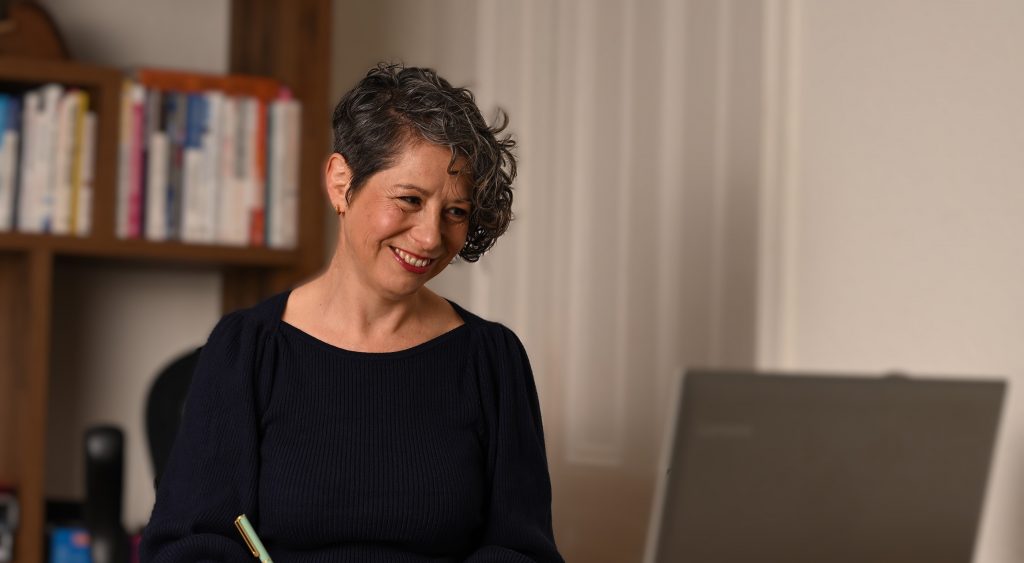
Coaching is structured around a series of one-to-one sessions, focused on your overall objectives. I won’t tell you what to do. I’ll help you think clearly, challenge your assumptions, and decide how you want to lead. Sessions are held online, are completely confidential and free from organisational pressures.
Some managers pay for coaching themselves, others secure funding from their employers’ learning and development budget. If you want to make the case internally, I can help.
Managers often come to coaching feeling unsure about how they are showing up as a leader. Over time they begin to feel clearer, steadier and more confident in the role. Many managers tell me they wish they had started this kind of reflection earlier in their leadership journey.
You can find out more about how I work at About Fiona